

Soften Heavy Outlines
Dense lines can restrict where the new artist places detail, shading and negative space.
Pulsar Laser Studio · Cover-up fading guide
Complete removal is not always necessary before a new tattoo. Controlled laser fading can soften heavy lines, dense shading and dominant sections so your tattoo artist has more freedom when planning a cover-up.
Jump to a section
The practical answer
Usually not. A successful cover-up may only require enough fading to reduce the darkest lines, heavy black areas, strong colour blocks or features that would otherwise show through the new design.
The required endpoint is different for every project. A large dark design may need substantial fading, while a lighter tattoo or a planned darker cover-up may need only limited reduction.
The best plan is agreed between you, your tattoo artist and your laser practitioner before unnecessary sessions are performed.
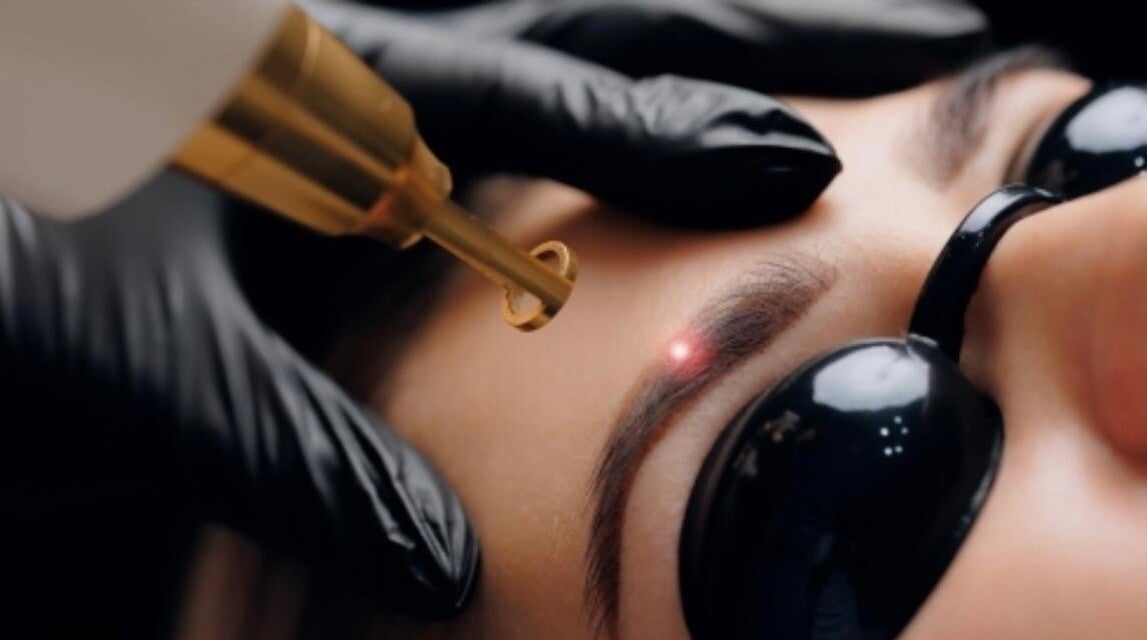
The goal is not automatically “remove everything.” The goal is to reduce the existing tattoo enough to support the new design while protecting the skin.
Creating more design freedom
Dense lines can restrict where the new artist places detail, shading and negative space.
Fading large black or dark sections may reduce how heavily the new tattoo must be saturated.
Reducing dominant pigment can make it easier to introduce a different colour palette.
Fading can show whether an older tattoo or previous design sits beneath the visible cover-up.
Selected areas can sometimes be reduced to create lighter sections within a future design.
A limiting word, symbol or central feature may be selectively faded while other sections remain.
Your artist may have more choices than simply making the new tattoo larger and darker.
Laser fading and tattoo design can be coordinated as one longer-term transformation.
There is no universal target percentage
The required reduction depends on the old tattoo and the proposed new design. A photograph alone cannot confirm the exact endpoint.
| Existing tattoo | Possible fading goal | Why it may help | Important limitation |
|---|---|---|---|
| Light linework | Limited softening may be enough | A darker or larger new design may disguise the remainder. | Ink depth and colour may still make some lines persistent. |
| Dense black outlines | Reduce the strongest lines | Allows the artist to reposition detail and avoid very heavy saturation. | Dense professional black may require several sessions. |
| Solid black or blackwork | Substantial reduction of selected zones | Can create lighter space for new shapes or selected design elements. | Large, saturated areas may require a longer and more expensive course. |
| Coloured tattoo | Reduce the colours that respond safely | Less visible colour may give the artist a broader palette. | Some shades may be resistant or require a different wavelength. |
| Previous cover-up | Fade upper and underlying layers | May reveal what must be incorporated into the next design. | Several layers can respond at different rates. |
| Name, symbol or selected section | Target the limiting feature | The remaining tattoo can be incorporated rather than fully treated. | A visible transition or partial outline may remain during the course. |
Statements such as “50% fading” are subjective unless the same lighting, angle and assessment method are used. Your tattoo artist’s practical design requirement is more useful than chasing an exact percentage.
Treatment numbers vary
Cover-up fading may require fewer sessions than pursuing maximum possible clearance, but there is no honest fixed number for every tattoo.
Black and some dark pigment may respond more predictably than pale, mixed or resistant colours.
Solid fill and thick outlines usually need more treatment than fine lines or light shading.
Pigment placed at different depths may fade unevenly.
Cover-ups can contain several deposits of ink from different tattoo sessions.
Body location, circulation and friction can influence healing and visible fading.
Scar tissue or overworked skin may affect treatment planning and remain visible.
The available wavelength must be suitable for the visible pigment.
Treatment may stop once the artist has enough flexibility, even if pigment remains.
Review after each session. The next treatment should be based on the actual response, not a package sold before the tattoo has shown how it fades.
Treat only what limits the new design
Yes. Selective laser fading can be considered where only one feature prevents the new design from working. This may include a name, dark line, symbol, border, central image or heavily saturated section.
The treatment boundary must be clear. The practitioner also needs to allow for the laser spot size, natural fading transition and the possibility that surrounding pigment may appear darker by comparison.
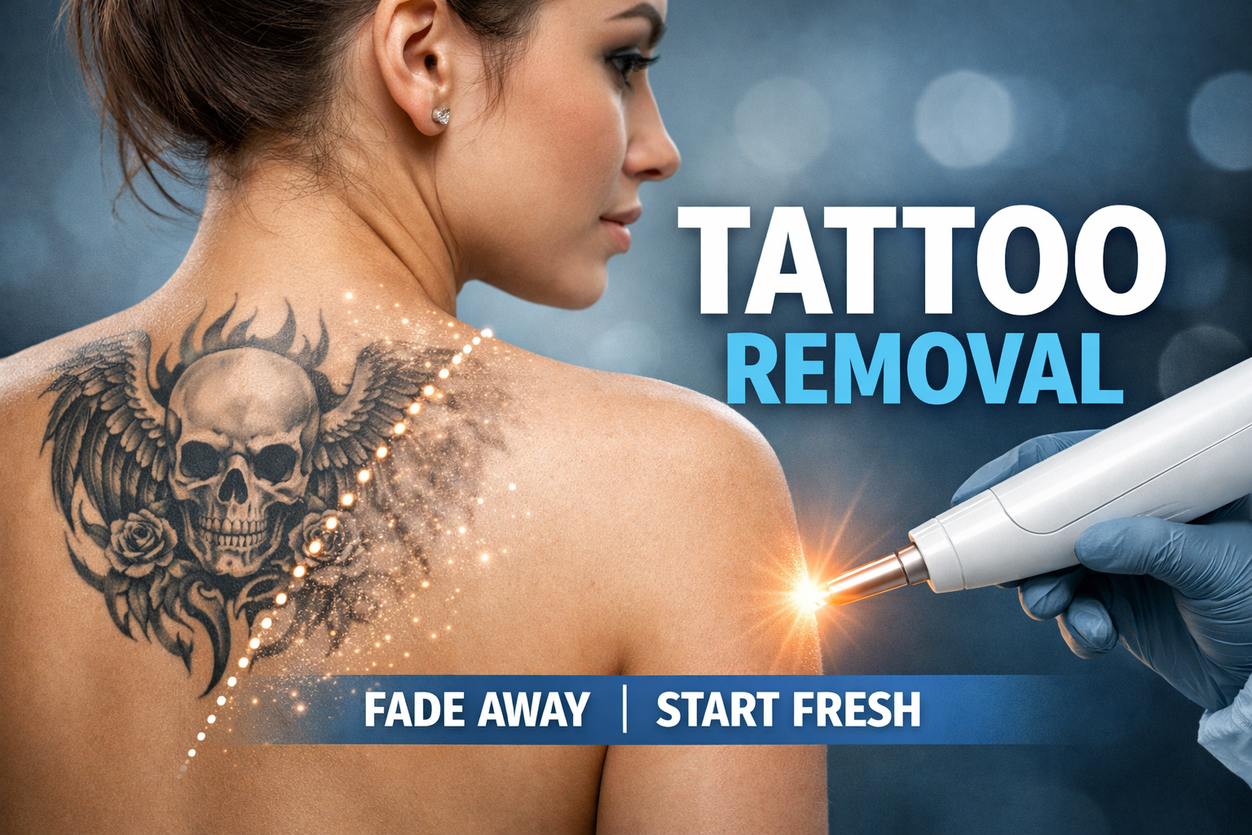
A perfectly invisible boundary cannot be guaranteed. Residual pigment, a faint outline or different rates of fading may remain until the new tattoo is completed.
Plan the end result before starting
Ideally, before the first laser session. Your artist understands the proposed design and can identify which parts of the existing tattoo create the greatest restriction.
Ask whether complete removal is needed, which lines must be reduced and whether the new design will be larger, darker or differently positioned.
Share progress photographs so the artist can decide whether additional fading would create meaningful design benefit.
Confirm that the fading is sufficient and that the skin is fully healed before scheduling new tattoo work.
Both laser and tattooing require healed skin
The cover-up should not be tattooed onto skin that is still red, tender, blistered, crusted, shiny, raised, discoloured or otherwise recovering from laser treatment.
After the final fading session, the skin needs enough time to heal and the pigment response needs time to settle. The exact waiting period depends on the treatment reaction, location, number of sessions, remaining skin changes and your tattoo artist’s requirements.
There must be no open skin, blistering, crusting or tenderness.
The tissue should have time to settle beyond the point when the surface first looks normal.
Fading, pigment change and texture should be reviewed before new ink is placed.
Do not rush from laser into tattooing. Confirm readiness with both your laser practitioner and tattoo artist. A booked tattoo appointment does not override concerns about healing.
Your cover-up fading pathway
Provide clear current photographs and explain whether you already have a tattoo artist or proposed cover-up design.
Identify the sections that need reducing and whether the aim is selective fading, broad softening or maximum possible clearance.
We assess skin type, tattoo colours, density, layering, texture, medical information and previous treatment.
Suitable pigment is treated using settings selected for the tattoo and skin response rather than trying to force rapid clearance.
The tattoo is reassessed after the recommended interval. Your artist can review progress when useful.
Further laser treatment may be unnecessary once the tattoo artist has enough flexibility.
The skin must fully settle after the final laser session before new tattooing is considered.
Your tattoo artist designs and applies the new work once they are satisfied with the fading and skin condition.
Blackwork, colour and layered tattoos
Large saturated areas may need a staged plan and several sessions before enough flexibility is created.
As upper ink fades, older designs can reappear and alter the treatment or cover-up plan.
Different colours may need different wavelengths, and some shades may remain resistant.
Laser targets pigment rather than scar tissue. Existing texture may remain or become more visible.
Distal areas can respond more slowly for some clients and are exposed to more friction during healing.
The original tattoo must be fully healed before laser assessment and treatment can begin.
Frequently asked questions
No. Many cover-up projects only require the darkest or most restrictive areas to be reduced.
The number depends on colour, density, depth, layering, location, skin response and how much fading the tattoo artist requires. An exact number cannot be guaranteed.
Yes. Selective fading may target a name, line, symbol or dark section where this supports the proposed design.
It is helpful. Their guidance can prevent unnecessary treatment and make the fading goal clearer.
Yes. A previous design beneath a cover-up can become visible as the upper layer reduces.
Yes, where the pigment is suitable for the available wavelengths. Some colours may be resistant or need referral to another specialist system.
Not safely or predictably. Settings must remain appropriate for the pigment, skin and previous response.
Suitable black pigment can often be treated, but dense solid fill may require a longer course and may not clear evenly.
Not necessarily. Surface healing does not confirm that deeper recovery is complete. Readiness should be agreed with both practitioners.
No. Laser tattoo removal targets pigment, not scar tissue.
No. The final cover-up result depends on remaining pigment, the new design, tattooing technique, skin texture and healing.
Yes. If the required fading has been achieved and the skin is healthy, pursuing unnecessary additional clearance may not benefit the project.
Continue reading
How treatment works, sessions, colours, risks and aftercare.
Read guide →Why colour, density, layering and your goal affect the course.
Read article →Why wavelength and pigment composition matter.
Read article →Why skin recovery and fading cannot be rushed.
Read article →How to protect the treated skin after each session.
Read article →Recognised risks and pre-existing tattoo texture.
Read article →Create more options for your next design
Send clear photographs, measurements and any guidance from your tattoo artist, or book a consultation. We will assess the colours, density, layering, skin and realistic fading goal.
Sources and further reading
This guide provides general information and does not replace an individual consultation, patch test or assessment by your tattoo artist. Further reading: American Academy of Dermatology — Laser Tattoo Removal; U.S. FDA — Tattoo Removal Options and Results; Laser Tattoo Removal: A Clinical Update; Scarring Following Q-Switched Tattoo Removal.