

Scarring Is Possible
Laser treatment creates a controlled tissue response, so permanent texture change can never be ruled out completely.
Pulsar Laser Studio · Tattoo removal safety guide
Permanent scarring is a recognised risk of laser tattoo removal, but it is not an inevitable result. Many clients heal without lasting texture change, and some tattoos already contain scar tissue from the original tattooing process before laser treatment begins.
Jump to a section
The honest answer
Yes. Permanent scarring can occur after laser tattoo removal, and no responsible clinic should promise that the risk is zero.
However, a permanent scar is different from the expected temporary reactions that can follow treatment. Redness, swelling, frosting, tenderness, blistering, crusting and temporary colour change can all occur without producing a lasting scar.
The aim of a carefully planned treatment is to deliver an appropriate laser pulse to suitable pigment while limiting unnecessary injury to the surrounding skin.
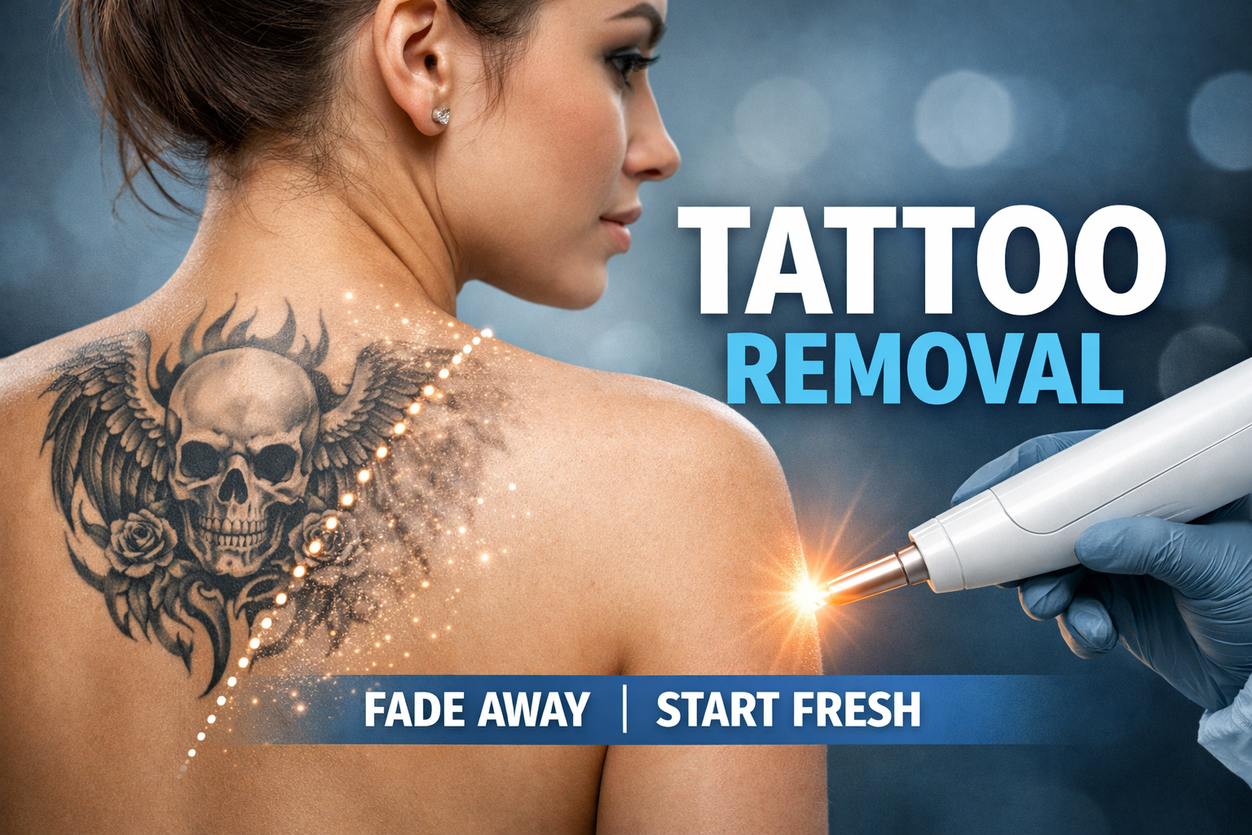
Laser treatment creates a controlled tissue response, so permanent texture change can never be ruled out completely.
Many treatment reactions settle without leaving a permanent raised, indented, shiny or thickened area.
Existing texture can become more visible as dark ink fades and no longer disguises the surface.
Important distinction: A change in skin colour is not automatically a scar. Hyperpigmentation and hypopigmentation affect colour, while scarring changes the structure or texture of the skin.
Scarring may pre-date laser treatment
Yes. Tattooing repeatedly punctures the skin to place pigment in the dermis. Overworking, repeated passes, infection, poor healing or an individual tendency to form raised scars can leave permanent texture before laser removal is ever considered.
Heavy outlines may feel firm or raised where the original tattoo artist repeatedly worked the same area.
A smooth, shiny appearance can indicate altered scar tissue beneath or around the pigment.
Previous trauma, infection or tissue loss can leave a depressed or uneven surface.
Some people naturally form thicker or more extensive raised scars after skin injury.
An infected tattoo can heal with permanent colour and texture changes before removal begins.
Touch-ups and cover-ups may add further trauma and several deposits of pigment.
Black or dense colour can visually disguise texture until the surrounding pigment fades.
Deep or irregular tattoo placement can sit alongside areas of existing tissue damage.
Before-and-after photographs and a documented pre-treatment texture assessment are useful because scar tissue can become much easier to notice once the dark pigment has reduced.
Expected reactions are not automatically scars
A photograph cannot always distinguish temporary inflammation from permanent texture change. The skin often needs time to settle before the final outcome can be assessed.
Blistering does not automatically equal scarring
Blistering can occur following laser tattoo removal. A blister is a separation within the skin containing fluid; it is not itself the same thing as a permanent scar.
Many blisters heal normally when protected. The risk of infection and texture change can increase when the blister is deliberately burst, peeled, scratched or repeatedly rubbed by clothing, footwear or work equipment.
The blister roof protects the tissue underneath. Do not pierce, drain or remove it yourself.
Use clean, loose clothing and follow the dressing guidance given for the treatment area.
Contact Pulsar if a blister is very large, increasingly painful, damaged, weeping or difficult to protect.
Removing a blister roof or crust early exposes fragile tissue and can increase inflammation, contamination, infection and the possibility of permanent scarring.
These terms are related but not identical
A burn describes an injury. A scar is the tissue that may remain after an injury has healed. A significant burn can lead to a scar, but not every strong reaction or blister is a burn, and not every burn creates permanent scarring.
| Term | What it describes | Possible appearance | What to do |
|---|---|---|---|
| Expected inflammation | A controlled temporary response after treatment | Redness, warmth, swelling, tenderness and temporary frosting | Follow individual aftercare and monitor gradual improvement. |
| Blistering | Fluid separation within the skin | Small or larger fluid-filled areas, sometimes followed by crusting | Do not deliberately burst. Protect and request advice if significant. |
| Burn or excessive tissue injury | Damage greater than the intended treatment response | Severe pain, extensive blistering, open skin, prolonged weeping or delayed healing | Contact the clinic promptly and seek medical advice when indicated. |
| Pigment change | Altered melanin rather than scar tissue | Darker or lighter patches after inflammation | Pause treatment and allow review and recovery. |
| Scar | Permanent structural change after healing | Raised, thickened, shiny, firm, indented or uneven texture | Allow full healing and seek an appropriate scar-management assessment. |
Excessive fluence or inappropriate settings can create more tissue injury than intended.
Increased melanin can absorb additional laser energy and raise burn and pigment-change risk.
The wavelength must suit both the visible pigment and surrounding skin.
Inconsistent beam quality, excessive overlap or hot spots can increase local injury.
What may increase the risk?
Excessive energy, unsuitable spot size, excessive overlap or an inappropriate wavelength can increase tissue injury.
Recently tanned skin contains more active melanin and may be more vulnerable to burns and colour change.
Retreating skin before full recovery can create cumulative inflammation and delayed healing.
Removing blisters or crusts damages fragile new tissue and increases contamination risk.
Infection prolongs inflammation and can increase the chance of permanent texture change.
Tight clothing, boots, gloves, exercise equipment or repetitive movement can disrupt healing skin.
Previously damaged or overworked skin may heal less predictably and remain visibly textured.
A personal or family history of keloid or hypertrophic scarring may influence suitability.
Conditions affecting circulation, immune response or wound healing may require additional caution.
Some medicines can alter photosensitivity, bleeding, inflammation or healing and must be disclosed.
Anything that compromises circulation or tissue recovery may affect how the area settles.
Trying to force faster clearance can lead to unsafe treatment decisions and unnecessary skin injury.
Once the appropriate treatment endpoint has been reached, additional energy can increase tissue injury without producing a proportional improvement in pigment clearance.
Colour change is different from scar tissue
Laser treatment can sometimes cause the surrounding skin to become darker or lighter. These changes affect melanin and are not automatically permanent scars.
Hyperpigmentation means the area becomes darker. It may follow inflammation and can be more noticeable in some skin types.
Hypopigmentation means the area becomes lighter because melanin has been reduced or temporarily disrupted. It can take months to recover and may sometimes persist.
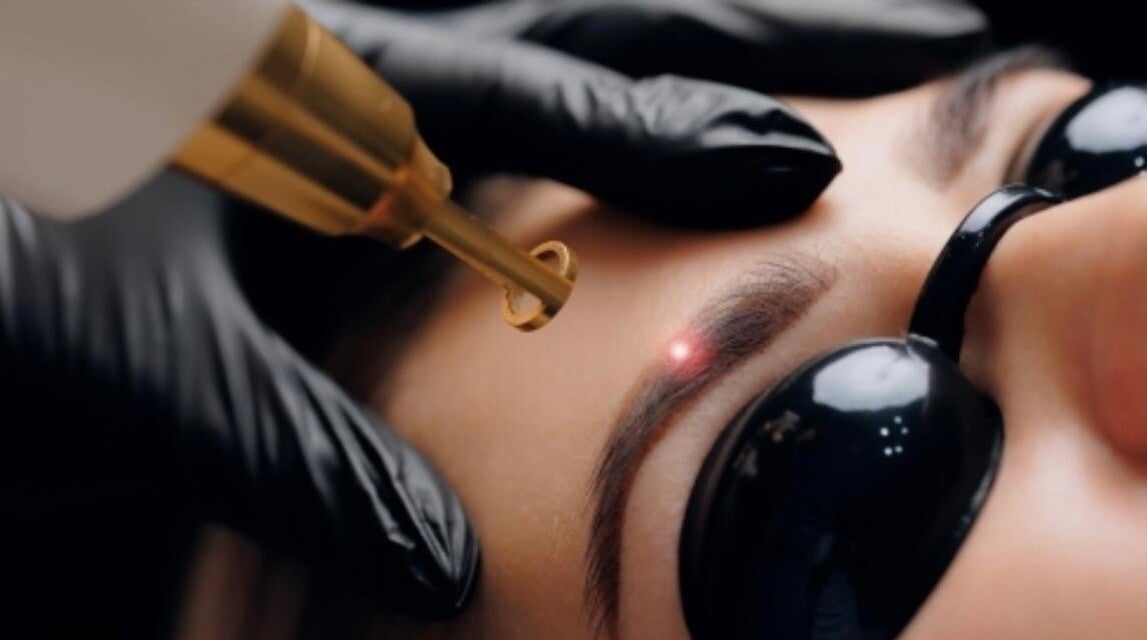
The surface may remain smooth while only the skin colour has changed.
Persistent colour change should be reviewed before another laser session is considered.
Sun and tanning can worsen uneven pigmentation and affect suitability for the next treatment.
Do not judge the final outcome too early. Colour and inflammation can continue changing after the surface looks healed, so time and review are important.
Treatment must consider surrounding melanin
Laser tattoo removal can be considered across a range of skin types, but the wavelength, fluence, spot size, treatment endpoint and interval must be selected with the surrounding melanin in mind.
Some skin types may be more prone to post-inflammatory darkening or lightening, while anyone with a known tendency to form keloids or thick raised scars requires careful assessment.
Suitability cannot be decided from tattoo colour alone. The surrounding skin must also be assessed.
Longer wavelengths generally interact less with epidermal melanin than shorter visible wavelengths, but risk is not eliminated.
Shorter wavelengths require particularly careful assessment because surrounding melanin can absorb more energy.
A fresh tan or sunburn can change the way the skin absorbs laser energy. Treatment may need to be postponed even when the tattoo itself appears unchanged.
Safe treatment planning
Risk cannot be removed completely, but a structured consultation, treatment and review pathway helps reduce avoidable complications.
We review health conditions, medication, healing history, previous reactions and any tendency to form raised scars.
Colour, density, layering, location, skin type, tanning and visible or palpable scar tissue are considered before treatment.
A patch test can provide useful information about immediate response, although it cannot guarantee that every later session or section will behave identically.
The aim is to treat suitable pigment using settings appropriate for the tattoo, surrounding skin and previous response.
Settings and passes should not be escalated merely to create a more dramatic visible reaction.
Protection from heat, friction, picking, contamination, swimming and sunlight supports normal recovery.
Surface healing, deeper recovery and pigment processing all need time before another session is considered.
Treatment is postponed or adjusted if the skin is tanned, irritated, discoloured, not fully healed or has developed unexpected texture.
Responsible treatment sometimes means waiting or declining. The safest decision may be to reduce settings, extend the interval, repeat a patch test, treat a smaller area or recommend another pathway.
Your role in protecting the skin
Always follow the individual advice given at your appointment. General principles include:
Ask for advice early
Contact Pulsar if you are uncertain about healing or the reaction appears to be worsening rather than gradually settling.
Large blisters, prolonged weeping, unusual colour change, delayed healing or a reaction that differs significantly from the advice given should be reviewed.
Spreading redness, increasing heat, pus, unpleasant discharge, worsening pain, fever or feeling generally unwell require prompt assessment.
Seek urgent medical help for breathing difficulty, rapidly spreading swelling, extensive blistering, severe uncontrolled pain or a serious widespread reaction.
Photographs are useful for routine aftercare guidance, but severe or rapidly worsening symptoms require appropriate urgent medical assessment.
What happens if texture remains?
Tattoo-removal laser is designed to reduce pigment, not to remove scar tissue. Once the tattoo-removal course has ended and the skin has fully settled, a separate assessment may consider whether scar-management options are appropriate.
Do not begin a separate scar procedure while the tattoo-removal reaction is still settling.
Raised, keloid, hypertrophic, indented and discoloured scars may require different approaches.
Scar treatments may improve appearance, colour, discomfort or flexibility but cannot guarantee complete removal.
Do not use further tattoo-removal sessions to chase scar texture. Once responsive pigment is no longer the main target, repeated treatment may add unnecessary injury without improving the scar.
Frequently asked questions
No. Many clients heal without permanent scarring, but scarring remains a recognised risk and cannot be ruled out completely.
Yes. Permanent raised, indented, shiny or thickened texture can occur, particularly when treatment or healing is complicated.
Yes. Overworked tattooing, repeated passes, infection, touch-ups and individual healing tendencies can create scar tissue before laser treatment begins.
Dense pigment can hide surface irregularity. As the tattoo becomes lighter, pre-existing texture may become easier to see.
It should not be relied upon to do so. Tattoo-removal laser targets pigment rather than scar tissue, and raised texture may remain.
Not necessarily. Blisters can heal normally, but deliberately bursting, peeling or repeatedly rubbing them can increase infection and scarring risk.
No. A scab or crust is part of surface healing. Picking it away early can damage the tissue underneath and increase the risk of a scar.
Usually not. Dark patches may represent post-inflammatory hyperpigmentation, which affects colour rather than texture.
Not automatically. Hypopigmentation affects melanin and can occur without a structural scar, although it may be persistent.
Excessive energy, inappropriate overlap or unsuitable settings can increase tissue injury and the risk of burns, delayed healing and permanent texture change.
Yes. Retreatment before full recovery may create cumulative inflammation, delayed healing, pigment change and increased texture risk.
Recently tanned or sunburned skin can absorb more laser energy and may be more vulnerable to burns and pigment change. Treatment may need to be postponed.
Treatment may be possible following individual assessment. Wavelength, fluence, spot size and endpoint must be selected carefully because surrounding melanin also absorbs laser energy.
Yes. Infection can prolong inflammation, delay wound healing and increase the possibility of permanent texture change.
Yes. Picking removes protective tissue, creates additional trauma and can introduce contamination or infection.
No. Picosecond technology is not risk-free. Wavelength, system quality, settings, skin type, technique and aftercare still matter.
Not automatically. Active Q-switched nanosecond systems are established tattoo-removal technology. Risk depends on the complete system, treatment plan and healing response rather than pulse-duration terminology alone.
No. A patch test provides useful information about a small area, but later settings, different pigment sections and individual healing can still vary.
Contact the clinic promptly with a clear photograph and the treatment date. Seek medical help for severe pain, spreading redness, pus, fever, extensive blistering or a severe allergic reaction.
Scar appearance may sometimes be improved with a separate treatment plan, but complete scar removal cannot be guaranteed.
Continue reading
How treatment works, colours, sessions, risks and aftercare.
Read guide →How to protect the treated skin and reduce avoidable complications.
Read article →Why surface healing and deeper recovery cannot be rushed.
Read article →Why colour, density, depth, layering and your goal affect the course.
Read article →Why pulse duration is only one part of a complete laser system.
Read article →How controlled fading can create more flexibility for a future design.
Read article →Start with an individual assessment
Send clear photographs or book a consultation. We will assess visible texture, previous treatment, skin response, tattoo colour and whether laser tattoo removal is an appropriate next step.
Sources and further reading
This guide provides general information and does not replace an individual consultation, patch test or medical assessment. Further reading: American Academy of Dermatology — Laser Tattoo Removal; U.S. FDA — Tattoo Removal Options and Results; U.S. FDA — Tattoo Safety and Existing Scar Tissue; Leeds Teaching Hospitals — After Laser Treatment; Laser Tattoo Removal Review.