

Frosting
A temporary white or pale reaction may appear immediately and usually settles quickly.
Pulsar Laser Studio · Tattoo removal aftercare guide
Good aftercare helps protect the treated skin, reduce avoidable complications and support normal healing after laser tattoo removal. Follow the individual instructions given at your appointment, even where they differ from general online advice.
Jump to a section
What may happen after treatment
Laser tattoo removal creates a controlled response in suitable pigment. The appearance immediately afterwards can look dramatic, but many reactions are temporary and begin settling over the following hours or days.
Your reaction will depend on the tattoo colour, density, treatment area, settings, skin type and your individual healing response.
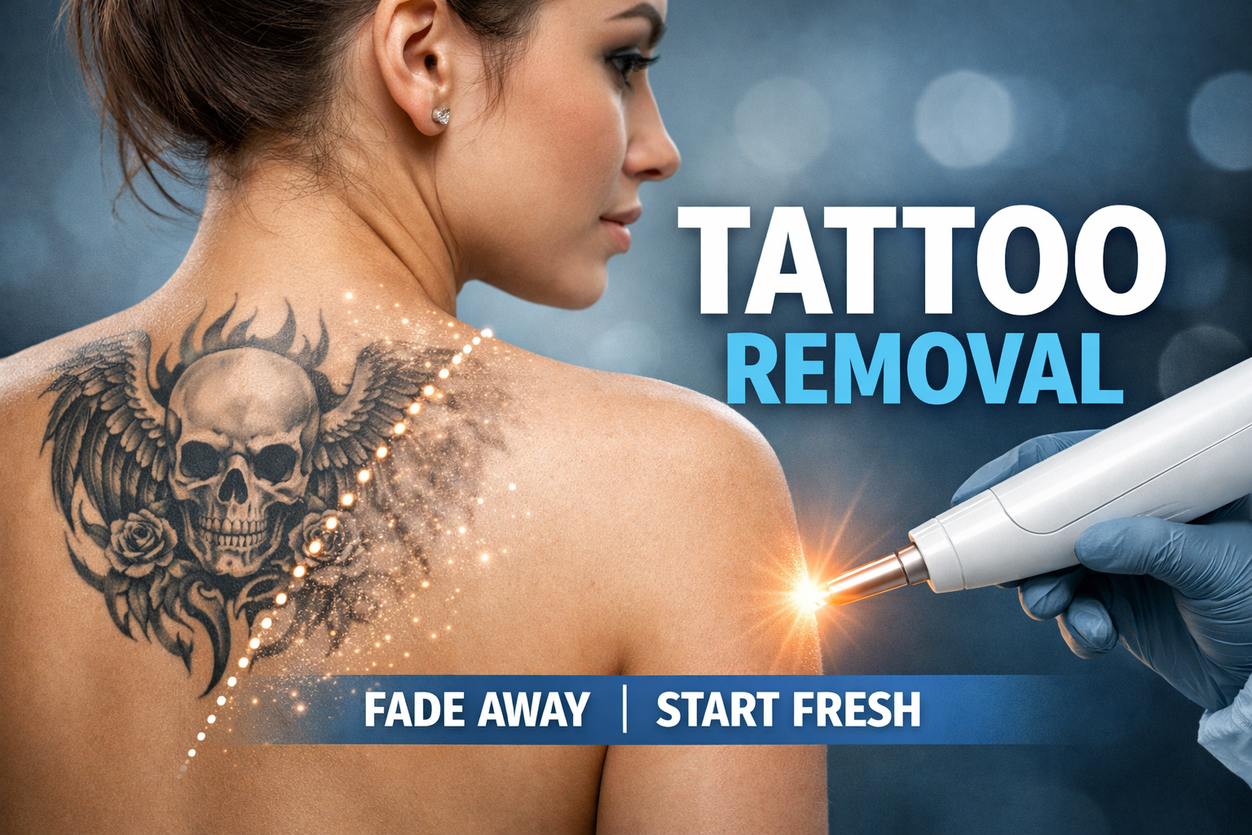
A temporary white or pale reaction may appear immediately and usually settles quickly.
The area may look red and feel warm or similar to mild sunburn.
Local swelling can occur, particularly on hands, feet, ankles, faces and densely tattooed areas.
The treated skin may feel sore, tight, sensitive or uncomfortable for a short period.
The tattoo can temporarily feel raised or bumpy after treatment.
Small spots of bleeding can occur with some tattoos or treatment responses.
Blisters, crusts or small scabs can develop and require careful protection.
The pigment or surrounding skin may look darker, lighter or different while the reaction settles.
Progress is not judged immediately. Frosting and swelling do not show how much ink will ultimately fade. Meaningful change develops gradually after the skin has settled.
Protect the area during early healing
The aim is to reduce unnecessary heat, friction, contamination and trauma while following the dressing instructions given for your particular treatment.
If cooling has been recommended, use a clean cool pack or compress wrapped in a clean cloth for short periods. Never place frozen material directly against treated skin.
Clean without overworking the skin
The exact dressing plan can vary according to the body area, immediate reaction and whether the skin is intact. Follow the advice provided at your appointment.
Bathing and soaking: Avoid prolonged baths and do not soak the area in a pool, hot tub or open water until the skin is fully closed and any blistering or crusting has healed.
Blisters need protection, not picking
Blistering can occur after laser tattoo removal and does not automatically mean permanent damage. The risk of infection and scarring can increase when a blister is deliberately burst, peeled or repeatedly rubbed.
The blister roof helps protect the healing tissue underneath. Do not pierce, drain or peel it away yourself.
Use loose clothing and the dressing advice provided so footwear, waistbands or movement do not repeatedly rub the area.
Contact Pulsar if a blister is very large, increasingly painful, damaged, leaking unexpectedly or located where it is difficult to protect.
Avoid heat, sweat and repeated rubbing
There is no single recovery time for every tattoo. The location and reaction matter. Avoid any activity that increases heat, stretching, pressure, sweat or friction across healing skin.
Avoid strenuous exercise while the area is hot, swollen, tender, blistered, crusted or likely to rub against clothing or equipment.
Avoid swimming pools, hot tubs, jacuzzis and open water until the skin is closed and all blistering or crusting has resolved.
Do not use saunas, steam rooms, very hot baths or heat treatments while the area is healing.
Take extra care if your work involves dirt, chemicals, water, tight protective clothing, repeated movement or direct pressure on the area.
Avoid tight waistbands, bra straps, boots, gloves or compression garments that repeatedly rub the treated tattoo.
Wait until the surface is fully healed before shaving across the treated area, and avoid catching any crust or blister.
Practical rule: If an activity makes the area throb, sting, become hotter, swell more or rub against clothing, stop and allow additional recovery time.
Keep skincare simple
Do not experiment with new products on healing laser-treated skin. Use only the topical care recommended for your treatment response.
Sun protection is part of aftercare
Recently treated skin can be more vulnerable to burns and changes in pigmentation. Direct sun and tanning can also affect whether the area is safe to treat at the next appointment.
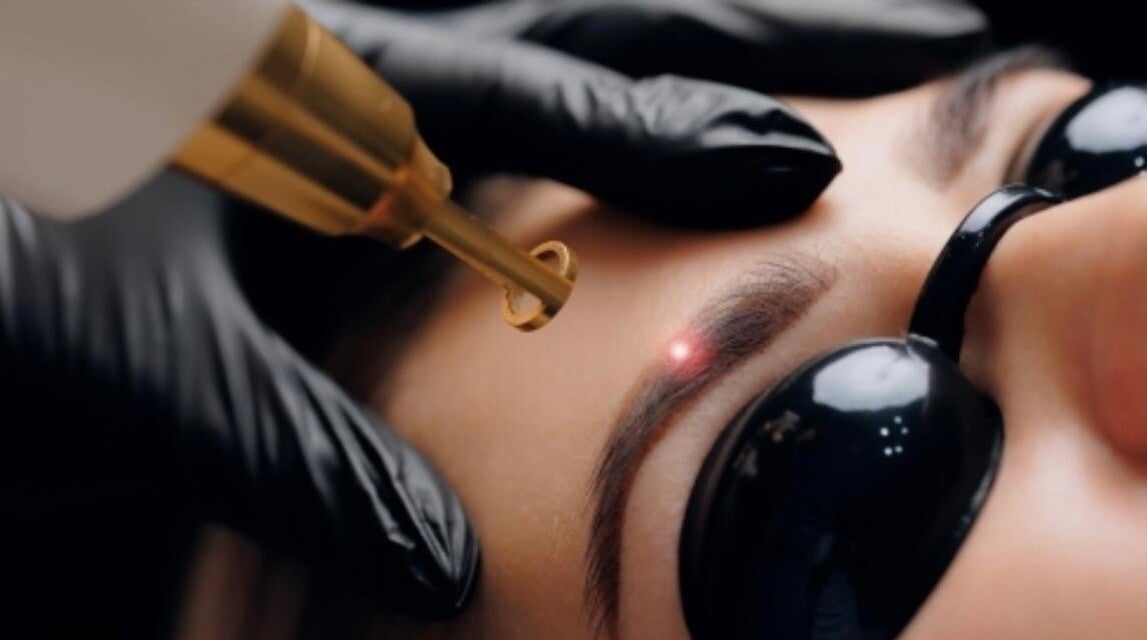
Treating recently tanned or sunburned skin can increase the risk of burns and pigment change. Your next session may need to be postponed until the skin has returned to its normal baseline.
A general recovery pathway
This timeline is general information. Your individual instructions and actual skin response take priority.
Frosting, redness, warmth, swelling, tenderness and a raised texture may be visible. A dressing may be applied depending on the area and reaction.
Swelling and tenderness may continue. Keep the area clean, cool and protected from rubbing, heat and contamination.
Blistering or crusting may develop. Do not pick or deliberately burst the skin. Contact the clinic if the reaction is severe or worsening.
The visible surface often continues settling. Broken skin, blisters and crusts must be completely healed before swimming, exfoliating or resuming irritating products.
The skin may look normal while pigment processing and fading continue. Maintain sun protection and wait for the planned review before another treatment.
Ask for advice when the reaction is worsening
Early advice is better than waiting when you are uncertain. Send a clear photograph in good lighting and explain the treatment date, symptoms and whether they are improving or worsening.
Contact us for marked swelling, large blisters, persistent weeping, unusual colour change, delayed healing or a reaction that differs significantly from the advice given.
Seek prompt advice for spreading redness, increasing heat, pus, unpleasant discharge, worsening pain, fever or feeling generally unwell.
Seek urgent medical help for breathing difficulty, rapidly spreading swelling, a severe widespread rash, extensive blistering or severe uncontrolled pain.
WhatsApp is useful for routine aftercare guidance, but severe or rapidly worsening symptoms require appropriate urgent medical assessment.
Aftercare continues until the next review
The fact that an appointment is booked does not guarantee the tattoo will be suitable to treat on that day.
Quick aftercare checklist
Frequently asked questions
Follow the dressing and cooling instructions given at your appointment, keep the area clean, avoid rubbing and protect it from heat, friction and sunlight.
A brief lukewarm shower is generally preferable to soaking once permitted by your practitioner. Avoid very hot water, high-pressure spray, rubbing and prolonged baths while the area is healing.
No. Direct ice can injure the skin. If cooling has been recommended, wrap a clean cool pack or compress in a clean cloth and use it for short periods.
No. Do not deliberately pierce, drain or peel a blister. Protect it from friction and contact the clinic if it is large, increasingly painful, damaged or causing concern.
Blistering can occur and does not automatically mean permanent scarring. It still requires careful aftercare because picking, friction and infection can increase complications.
Avoid strenuous exercise while heat, sweat, stretching or friction could irritate the area. Resume activity gradually once the skin is comfortable and healing normally.
Wait until the skin is completely closed and all blisters, crusts or broken areas have healed. Avoid pools, hot tubs and open water during active healing.
Do not apply make-up, camouflage or fake tan to open, blistered, crusted or irritated skin. Ask your practitioner when products can safely be restarted.
Use only the topical care recommended for your treatment response. Products that seem gentle can still contain fragrance, alcohol or ingredients that irritate healing skin.
The answer depends on the dressing used, the body area and the skin response. Follow the specific instructions given at your appointment and contact the clinic if it becomes wet, dirty, loose or uncomfortable.
Do not shave across open, blistered, crusted or tender skin. Wait until the surface is fully healed and take care not to catch any remaining crust.
Keep healing skin out of direct sun. Once the surface has healed, use protective clothing and a high-protection broad-spectrum sunscreen. Avoid tanning throughout the treatment course.
Contact Pulsar if pain, redness, heat or swelling is worsening, or if you develop pus, unpleasant discharge, extensive blistering, delayed healing, an open wound, a spreading rash or another unexpected reaction.
The skin must be fully healed, the recommended interval must have passed and the area must be reassessed. Surface healing alone does not determine readiness.
Continue reading
How removal works, colours, risks, treatment planning and cover-up fading.
Read guide →Why healing and pigment clearance continue after the skin looks settled.
Read article →Recognised risks, pre-existing texture and ways to reduce avoidable complications.
Read article →Why colour, depth, density, layering and your goal affect the likely course.
Read article →Why pulse duration is only one part of an appropriate tattoo-removal system.
Read article →How controlled fading can create more flexibility for a future tattoo design.
Read article →We are here during the healing process
Send a clear current photograph, the date of treatment and a short description of your symptoms. For severe or rapidly worsening symptoms, seek appropriate urgent medical help.
Sources and further reading
This guide provides general information and does not replace the individual aftercare given at your appointment or medical assessment when required. Further reading: American Academy of Dermatology — Laser Tattoo Removal; U.S. FDA — Tattoo Removal Options and Results; North Bristol NHS Trust — Tattoo Laser Treatment; Leeds Teaching Hospitals — After Your Laser Treatment.